Training · 1 September 2026 · 6 min read
How to Learn Hydroponics in South Africa Without Losing a Season
Self-taught growers lose their first crop learning EC, pH and disease control. A practical route to competence — what to learn, in what order, and where training pays back.
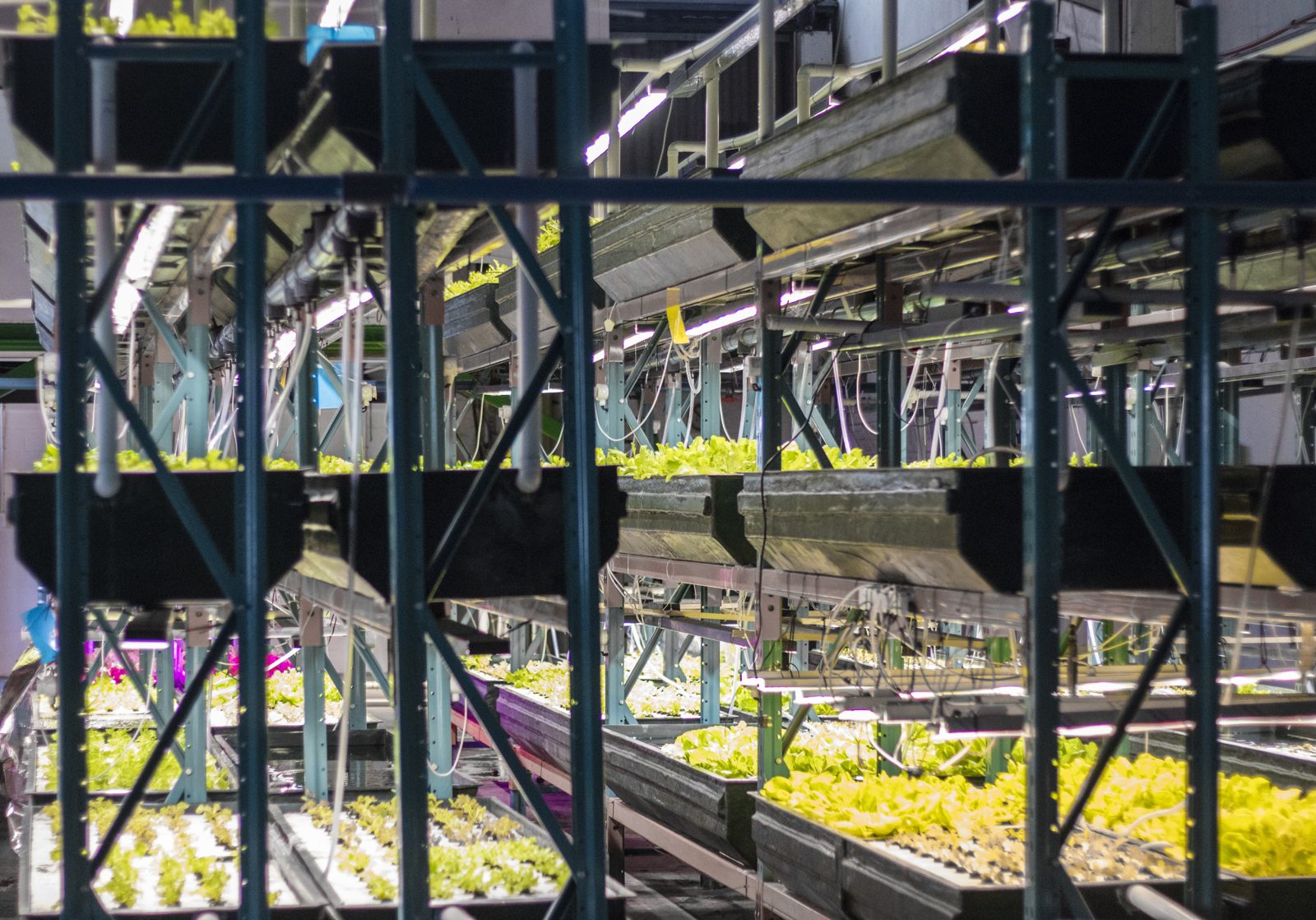
Hydroponics is not difficult, but it is unforgiving. Soil buffers your mistakes for weeks; a nutrient tank does not. Most self-taught growers lose their first crop — not to anything exotic, but to pH drift, an EC they never measured, or a root disease they did not recognise until it had moved through the whole system.
This is the order we recommend learning things, and where structured training saves you a season.
Learn the water first
Everything in hydroponics is downstream of your solution. Before you think about crops, understand:
- EC — total dissolved salts, the rough measure of how much feed is in your water, and the number that tells you whether plants are eating or drowning.
- pH — the gatekeeper of nutrient availability. Drift outside roughly 5.5 to 6.5 and elements lock out even though they are physically present in the tank.
- Water temperature and dissolved oxygen — the two silent killers in summer. Warm water holds less oxygen and grows pathogens faster.
If you can hold EC, pH and root-zone temperature steady, you are already ahead of most beginners.
Then the plant
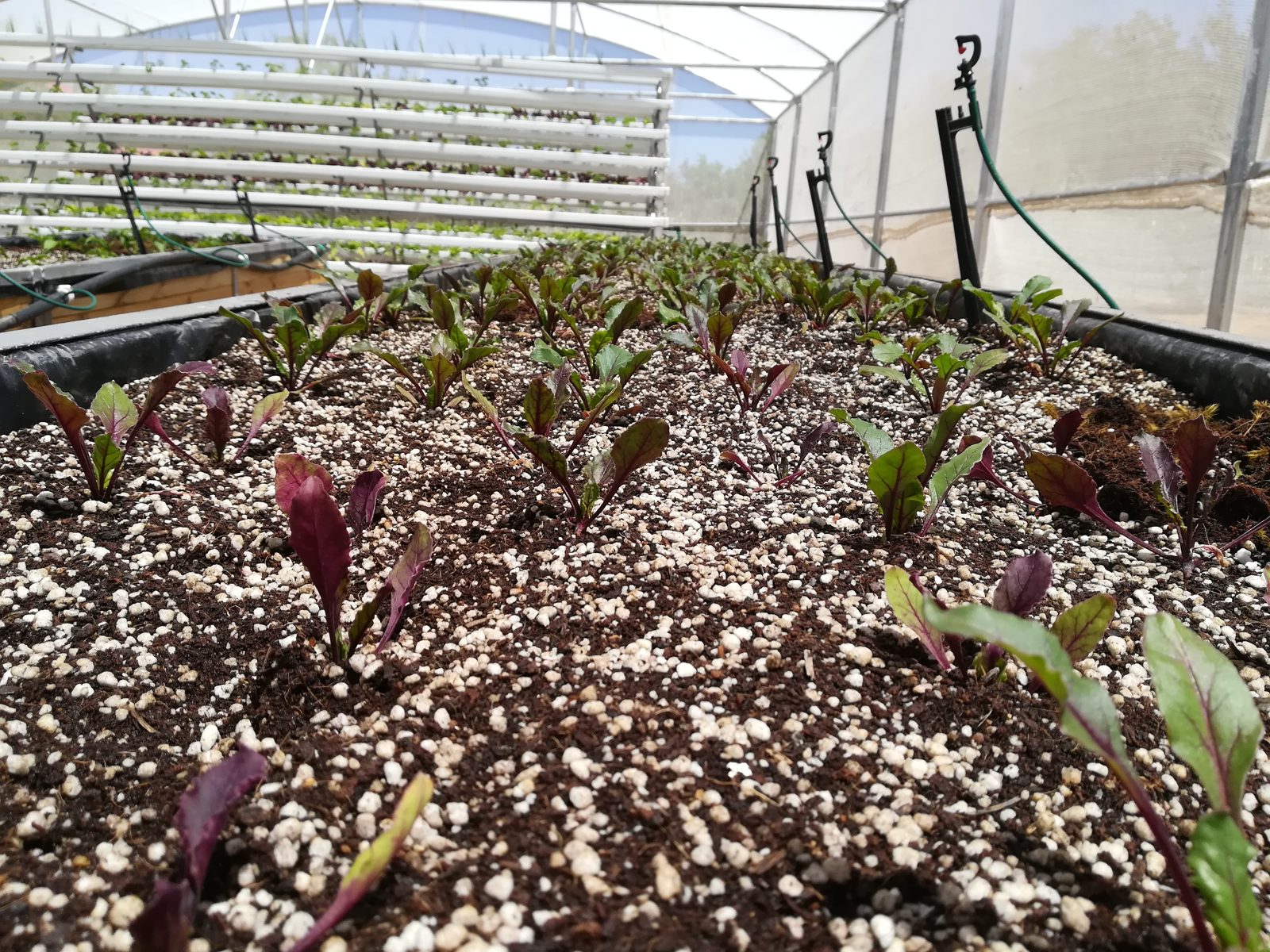
Nutrient functions and deficiency symptoms, so you can read a leaf instead of guessing. Light — how much your crop needs and what a tunnel actually transmits. Vegetative versus generative steering for fruiting crops. Root health and what a healthy white root system looks like against a browning one.
Then the system
Only now does the NFT-versus-drip question mean anything, because you can evaluate it against a crop and a climate rather than a brochure.
Then pests and disease
Prevention beats cure in a sealed environment, because so does the pest. Scouting routine, insect netting, hygiene protocol between cycles, and knowing the handful of problems that actually recur in South African tunnels — thrips, whitefly, spider mite, powdery mildew, botrytis, pythium.
Then the business
Costing per head or per kilogram, market access, packaging, cold chain and cash flow. Growing well and earning well are separate skills, and the second one is where most small farms come unstuck.
Where courses fit
We built the Future Farms Hydroponic School around exactly this sequence, from two decades of installing and troubleshooting farms across Southern Africa. Two courses run online, at your pace:
- Hydroponics: A Broad Overview — the technical foundation. Water chemistry, nutrition, lighting, system types, pests and disease, and the growing fundamentals that apply whatever you build.
- Future Farms: Step by Step Guide to Make Money from Hydroponics — the business build. Costing a farm, sizing infrastructure, procurement, utilities, staffing, compliance and route to market, worked through as a single realistic project.
Finish either one and you can download a Future Farms Certified certificate in your own name.
Should you do the course before you build?
Yes — and specifically before you sign a quote. The most common message we get is from someone who has already bought a system that does not match their crop. A few weeks of study ahead of that decision is the cheapest insurance in this industry.
If you would rather learn on your own site, we also run on-farm training and mentorship alongside our installations.