Hydroponic systems · 8 September 2026 · 8 min read
NFT or Drip? Choosing the Right Hydroponic System for Your Crop
NFT pipes and drip irrigation suit very different crops. Compare cost, crop fit, water use, risk and labour so you buy the hydroponic system your farm actually needs.
The most expensive mistake in hydroponics is buying the wrong system for your crop. NFT and drip are both excellent — for different plants, different water and different growers. Here is how to tell which one belongs on your farm.
What each system actually does
NFT (nutrient film technique) runs a thin, continuous film of nutrient solution along the base of a sealed channel. Roots sit in the film, in the dark, with air above them. There is no growing medium beyond a small seedling plug. Solution recirculates back to a tank.
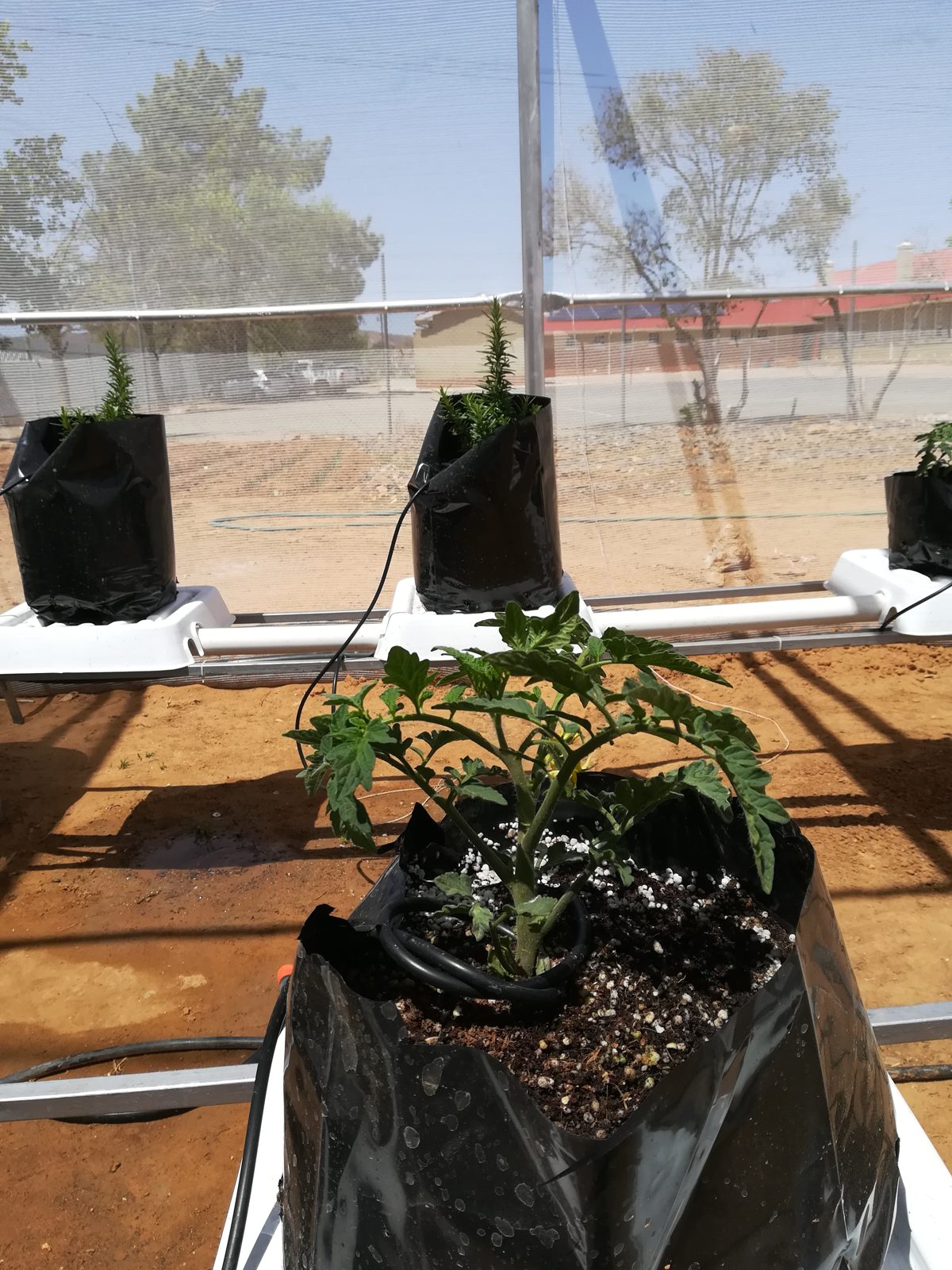
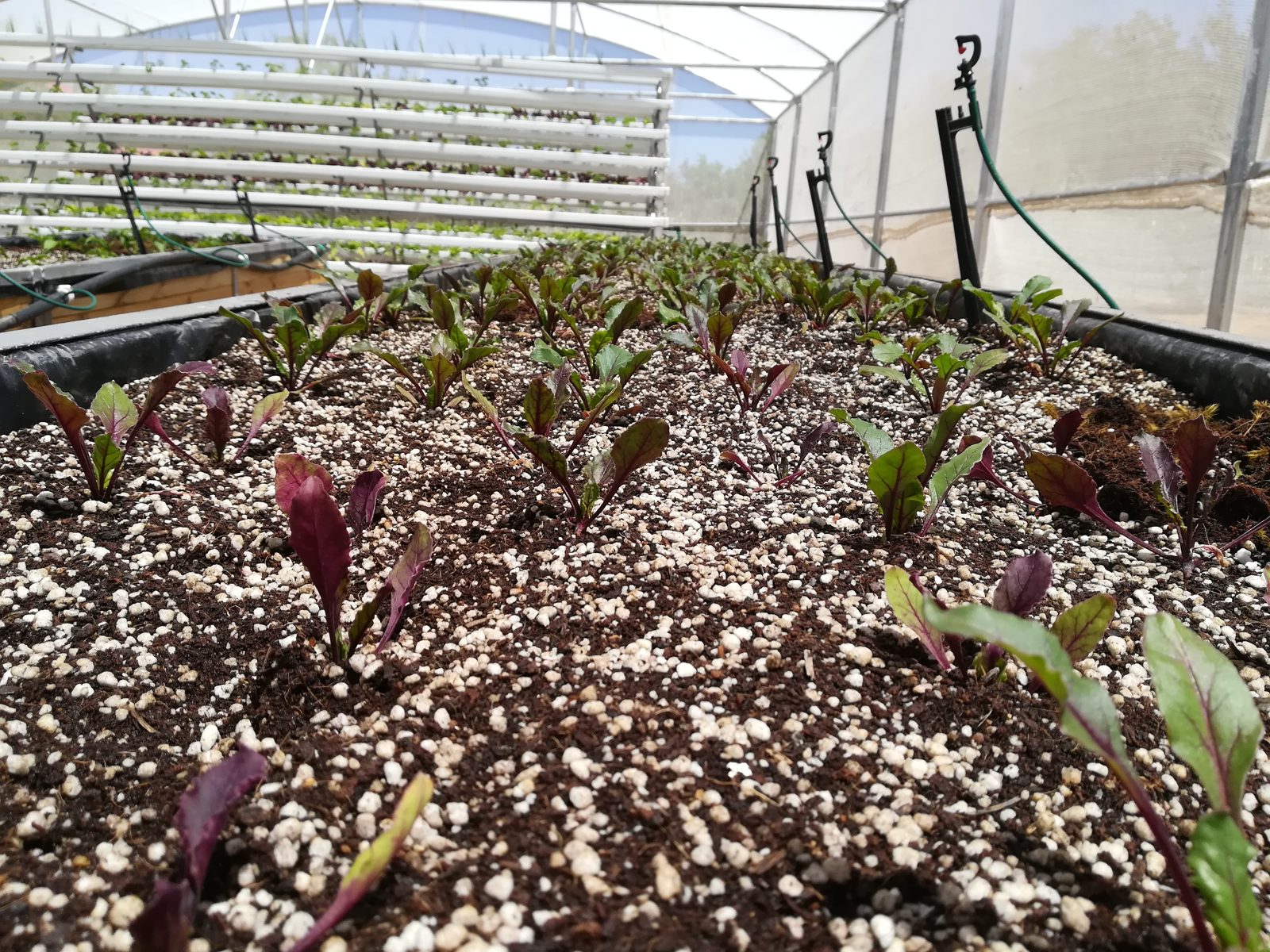
Drip irrigation delivers measured nutrient solution to each plant through an emitter into a growing medium — coco coir, perlite, rockwool or a blend — held in a bag or pot. It can be run to drain or recirculated.
Crop fit: the deciding factor
NFT suits fast, light, shallow-rooted crops. Lettuce, spinach, rocket, pak choi, basil, coriander, mint. Anything harvested within 4 to 10 weeks with a modest root mass and no heavy fruit to support.
Drip suits long-season, heavy, deep-rooted crops. Tomatoes, peppers, cucumbers, strawberries, chillies, aubergine. Anything that carries fruit for months and needs root anchorage and a buffer around the root zone.
Trying to grow tomatoes on NFT is possible and almost always regretted. Trying to grow lettuce on drip works but costs you medium and labour you did not need to spend.
Risk profile
This is the difference nobody mentions at the point of sale. NFT has no buffer. If the pump stops on a hot afternoon, roots dry out within an hour or two, and you can lose a crop in a single power outage. In a country with load-shedding, that means a backup power plan is not optional on NFT — it is part of the system cost.
Drip has a buffer. The medium holds moisture, so a few hours without irrigation is survivable. The trade-off is that the medium also holds salts, so you need to manage run-off percentage and flush properly, or you will accumulate EC in the root zone and stall growth.
Water and nutrient efficiency
Both beat soil comfortably. Recirculating NFT is the most frugal — very little is lost beyond what the plant transpires — but the solution needs monitoring because the composition drifts as plants take up nutrients selectively. Drip to drain is simplest to manage and least efficient; recirculating drip splits the difference but needs filtration and, ideally, disinfection to avoid moving root disease around the farm.
Labour and skill
NFT is lower labour per plant once running: no medium to buy, fill, handle or dispose of, and harvesting is fast and clean. It demands more attention on the technical side — EC, pH, temperature and dissolved oxygen in the tank all move quickly because there is so little volume buffering them.
Drip is more forgiving day to day but heavier on handling: bags in, bags out, medium to source and dispose of, and more time spent on plant work like trellising and pruning for fruiting crops.
Cost
Per square metre, NFT channels and the supporting frame typically cost more up front than drip lines and bags, but drip carries a recurring medium cost every cycle or two. Over five years the difference is usually smaller than growers expect, and the crop decision should dominate the cost decision.
A simple decision path
- Growing leafy greens or herbs, have reliable power or a backup plan, want fast cycles → NFT.
- Growing tomatoes, peppers, cucumbers or strawberries → drip.
- Want both leafy and fruiting crops → run both in one tunnel, on separate irrigation zones. This is common on our installations and it spreads your market risk too.
- Water is high in sodium or bicarbonate → get it analysed first; it may push you toward drip to drain, or toward treatment before either system.
What to specify when you buy
Whichever you choose, insist on: correct channel or line lengths for your slope, filtration ahead of the emitters, a tank sized to the planted area, accurate EC and pH monitoring, and a documented irrigation schedule for your specific crop and climate. A system without a crop programme is just plumbing.
If you tell us the crop, the site and the water analysis, we will specify the system rather than sell you one.