Tunnels · 10 September 2026 · 7 min read
What a 30 x 10 Tunnel Really Costs in South Africa
A full breakdown of what a 30 x 10 metre agricultural tunnel costs in South Africa — structure, cover, irrigation, site work and the hidden extras most quotes leave out.
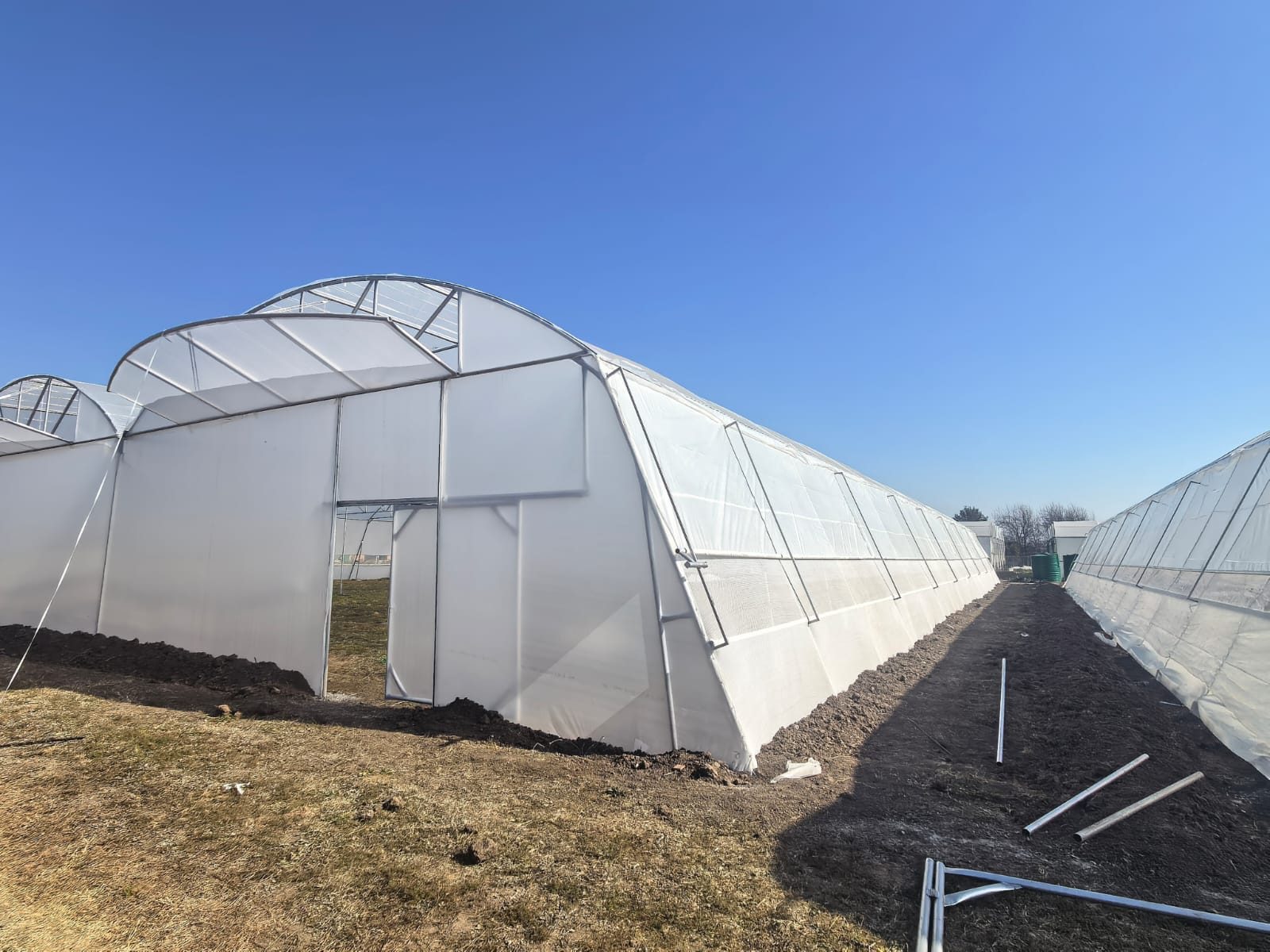
Ask three suppliers what a 30 x 10 metre tunnel costs and you will get three very different numbers. That is not because anyone is being dishonest — it is because a "tunnel" can mean a bare hoop structure with a plastic sheet, or a fully equipped growing environment with irrigation, ventilation and a water tank on a level, compacted pad. This article breaks the cost into the parts that actually appear on a real invoice, so you can compare quotes properly.
Why 30 x 10 is the standard starting size
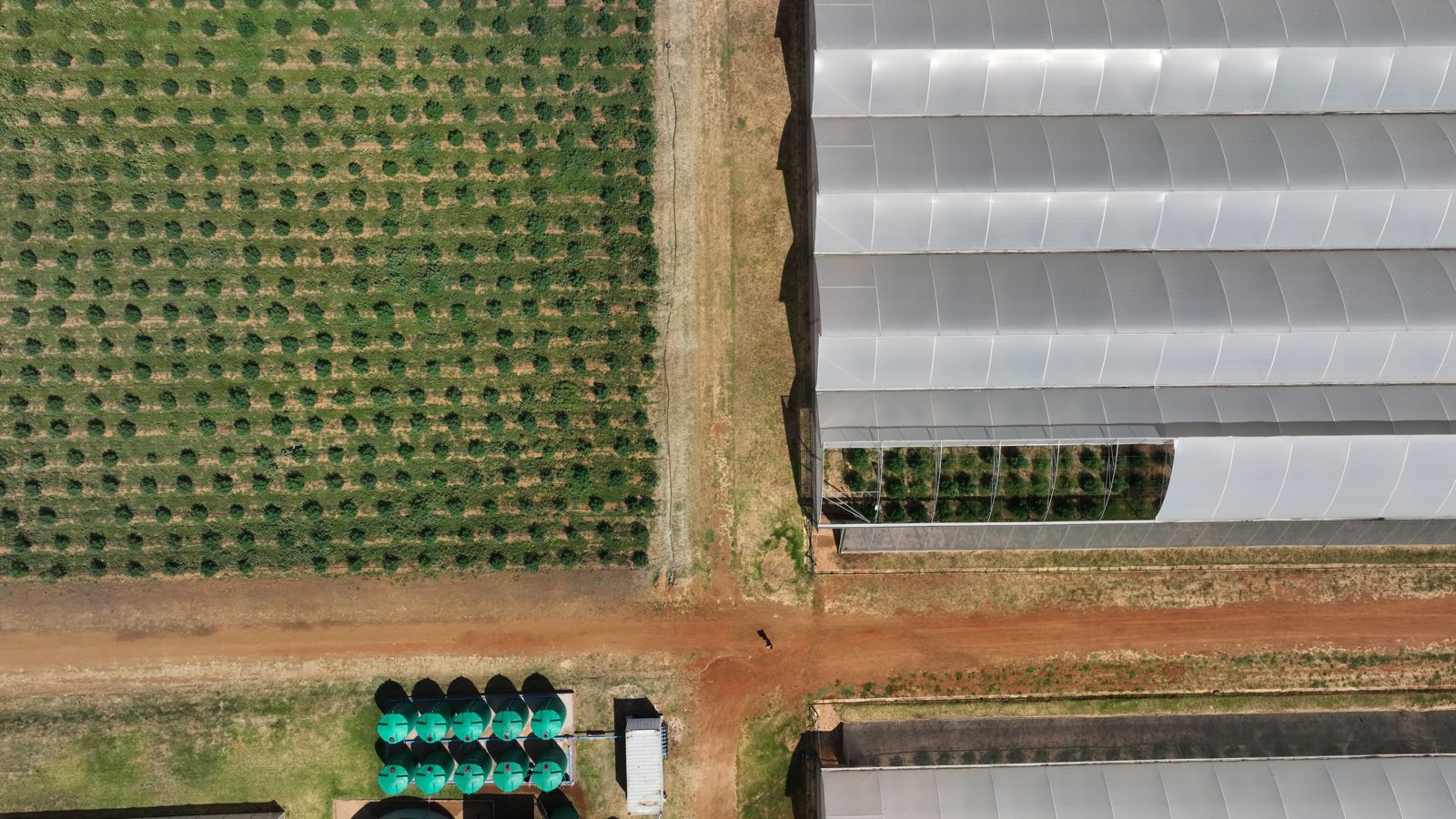
A 30 x 10 metre tunnel gives you 300 m² of covered growing area. It is the size we install most often in South Africa for a good reason: it is large enough to be commercially meaningful — roughly 3 000 to 4 000 lettuce heads on NFT at any one time — but small enough that one person can manage it alongside another job while learning the crop.
It also transports well. The steel for a 30 x 10 fits on a standard truck load, which keeps delivery cost sane whether the site is in Limpopo or the Eastern Cape.
The cost components
1. The structure. Corrosion-protected steel hoops, purlins, end frames, doors and bracing. This is the single largest line item and the one where quality differences are invisible on paper. Wall thickness, hoop spacing and wind rating matter far more than the headline price. A tunnel that is under-specified for a windy site is not cheaper — it is a future insurance claim.
2. The cover. Agricultural-grade UV-stabilised polyethylene, typically 200 micron, with a stated lifespan in seasons rather than years. Insect netting for the side vents and gables is usually quoted separately. Budget for a cover replacement every four to five seasons depending on your UV load; inland highveld sites are harsher than coastal ones.
3. Site preparation. Levelling, clearing and compaction. This is the most commonly under-budgeted item, and the most site-dependent. A flat, cleared field costs very little. A sloped site with rock costs considerably more, and it is not optional — a tunnel built on an unlevel pad will pond water and stress the frame.
4. Anchoring and foundations. Ground anchors or concrete footings, depending on soil type and wind exposure. Sandy soil needs deeper anchoring than clay.
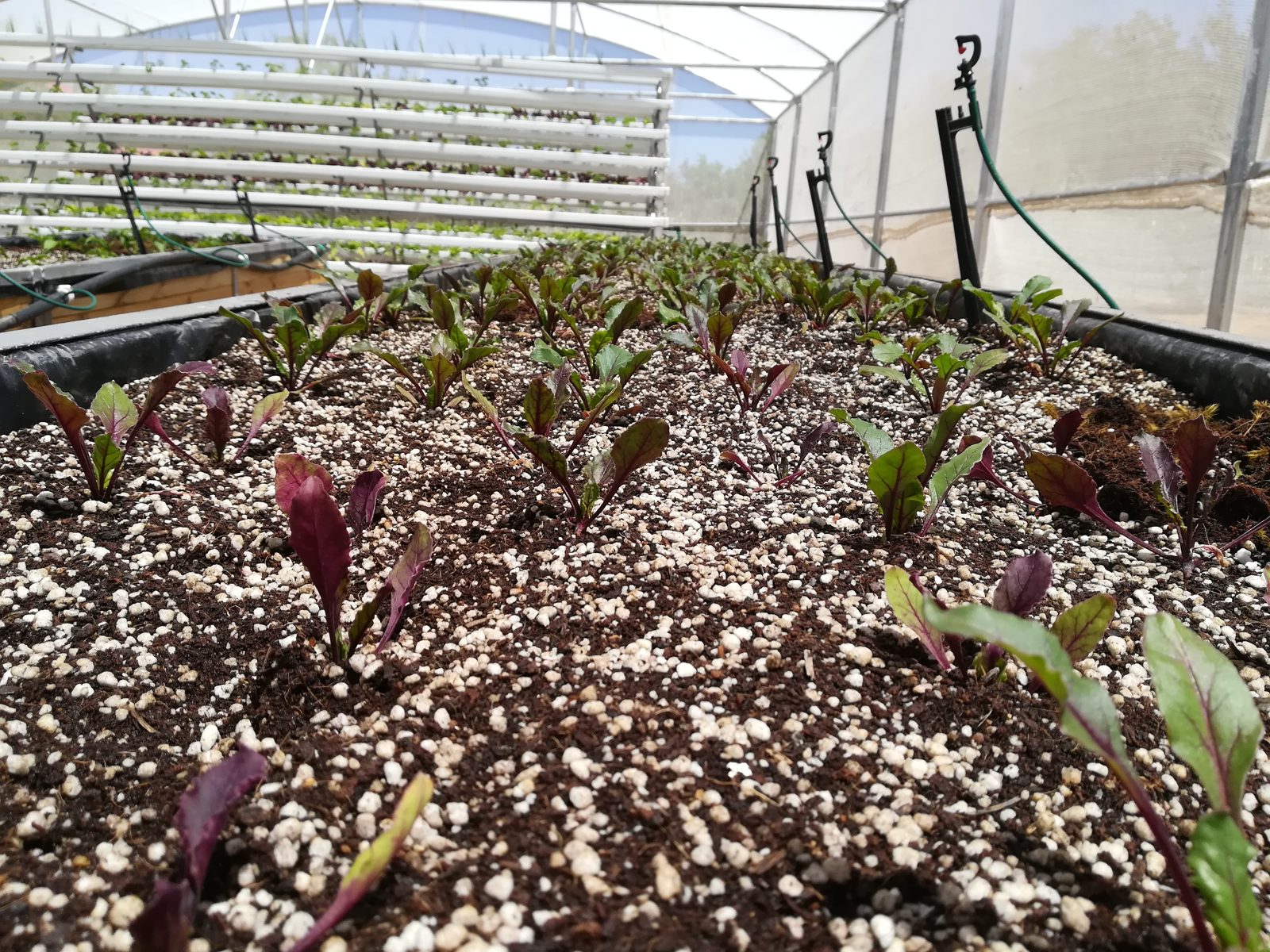
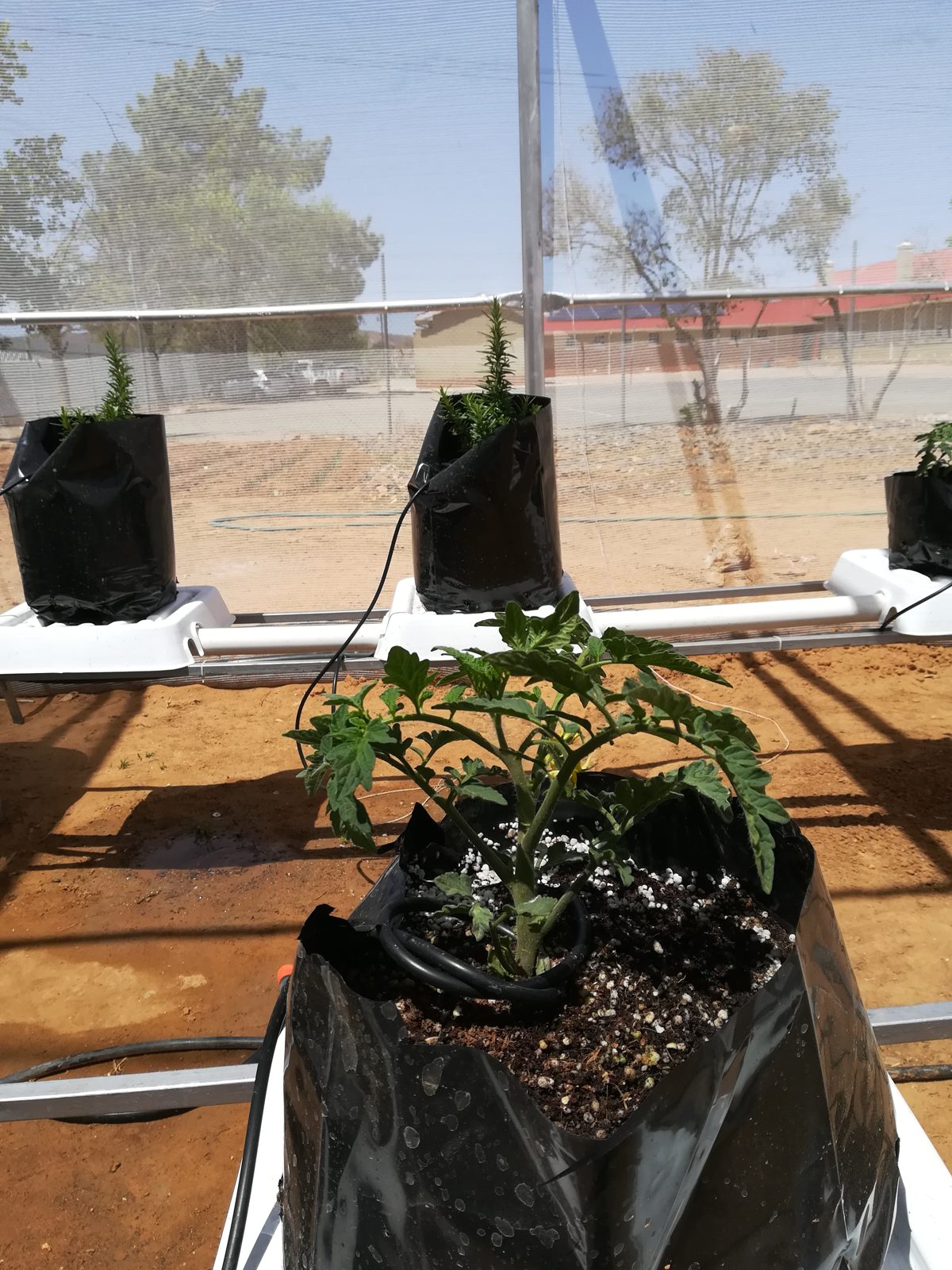
5. The growing system. This is where budgets diverge sharply. An empty tunnel is a shell. Inside it you might put NFT channels, drip lines with grow bags, or simply beds. The system typically costs a similar order of magnitude to the structure itself, sometimes more.
6. Water and power. A tank, pump, filtration, dosing and the electrical connection to run them. If your borehole water is high in sodium or bicarbonate you may also need treatment — get a water analysis before anyone quotes you on a system.
7. Installation and travel. Labour, accommodation and transport for the install crew. Distance from the manufacturing point genuinely affects this number.
The hidden costs that catch people
- Water testing. Cheap to do, expensive to skip. Water chemistry determines your nutrient recipe and sometimes your entire system choice.
- Seedlings and consumables for the first cycle. You need working capital from planting to first sale — usually six to ten weeks for leafy greens.
- Shade netting or cooling for hot inland sites. In parts of the Northern Cape and Limpopo, a tunnel without adequate ventilation is unusable in midsummer.
- Fencing and security. Rural sites, high-value crop, thin plastic walls.
- Replacement cover at year four or five, which should sit in your budget from day one.
How to compare quotes fairly
Ask every supplier the same five questions:
- What is the wind rating of this structure, and at what hoop spacing?
- What steel section and corrosion protection are you using?
- What micron and warranty period is the cover?
- Is site preparation included, and on what assumption about the site?
- What exactly is included inside the tunnel?
If two quotes differ by 40%, one of those five answers is different. Find out which one before you decide.
What it should return
The point of the cost exercise is payback, not price. A 300 m² NFT tunnel growing leafy greens for a consistent buyer typically services its own capital cost within two to four growing years, depending on crop price, occupancy and how much of the labour you do yourself. That range is wide because market access — not growing — is what separates the farms that make money from the ones that do not.
If you have a site and a buyer in mind, we can put actual numbers against it rather than ranges.